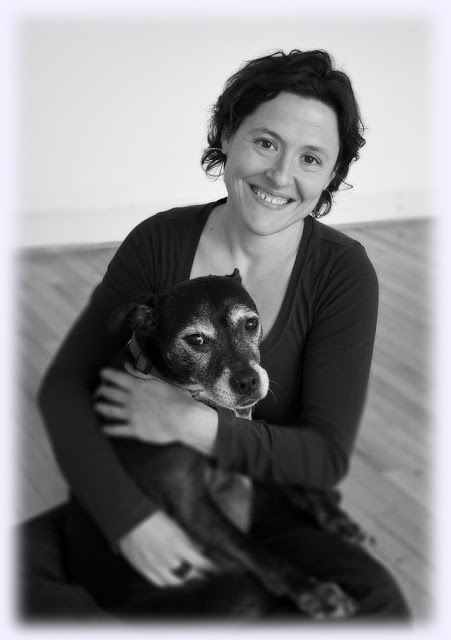
Gretchen Primack
|
During the course of a Sunday lunch we happened to look out of the kitchen window at our young lambs playing happily in the fields. Glancing down, we suddenly realised we were eating the leg of an animal who had until recently been playing in a field herself. We looked at each other and said: "Wait a minute, we love these sheep-they're such gentle creatures. So why are we eating them?" It was the last time we ever did.
—Paul and Linda McCartney synecdoche
A figure of speech in which a part is used to designate the whole or the whole is used to designate a part. For example, the phrase "all hands on deck" means "all men on deck," not just their hands. The reverse situation, in which the whole is used for a part, occurs in the sentence "The U.S. beat Russia in the final game," where the U.S. and Russia stand for "the U.S. team" and "the Russian team," respectively.
|
